Business Name: BeeHive Homes of Granbury
Address: 1900 Acton Hwy, Granbury, TX 76049
Phone: (817) 221-8990
BeeHive Homes of Granbury
BeeHive Homes of Granbury assisted living facility is the perfect transition from an independent living facility or environment. Our elder care in Granbury, TX is designed to be smaller to create a more intimate atmosphere and to provide a family feel while our residents experience exceptional quality care. BeeHive Homes offers 24-hour caregiver support, private bedrooms and baths, medication monitoring, fantastic home-cooked dietitian-approved meals, housekeeping and laundry services. We also encourage participation in social activities, daily physical and mental exercise opportunities. We invite you to come and visit our assisted living home and feel what truly makes us the next best place to home.
1900 Acton Hwy, Granbury, TX 76049
Business Hours
Monday thru Sunday: 9:00am to 5:00pm
Facebook: https://www.facebook.com/BeeHiveHomesGranbury
YouTube: https://www.youtube.com/@WelcomeHomeBeeHiveHomes
Caregiving hardly ever follows a straight line. A child takes her mother to chemotherapy on a Tuesday, then races home to make dinner before an evening Zoom conference. A spouse spends his nights listening for the creak of the bed room door, in case his wife with dementia wakes and wanders. A next-door neighbor who guaranteed to "help out for a little while" finds that a little while keeps stretching. The love is real. The fatigue is genuine, too.
Respite care is the time out button many households do not know they're allowed to press. It is short-term, scheduled or immediate assistance for an older grownup, designed to provide primary caregivers a break and to keep everybody much healthier and much safer. Done well, it avoids burnout, extends the time a person can comfortably remain at home, and smooths transitions to assisted living or memory care when that day comes. It likewise offers the older adult fresh engagement and clinical oversight, which can be simply as restorative as the caretaker's nap.
This guide unloads what respite care is, where it happens, what it costs, and how to do it attentively. Along the way I share what tends to work, what backfires, and the compromises households make when juggling senior care in real life.
What "respite care" in fact covers
The easiest meaning: temporary assistance for the individual receiving care so the caregiver can rest, travel, recuperate, or manage life. That support can be as light as 3 hours of friendship in the living-room, or as extensive as a two-week stay in a licensed senior living neighborhood with 24-hour staffing. The right alternative depends on the person's health requirements, behavior, movement, and tolerance for brand-new environments.
The most common formats look like this:
- In-home respite: An expert caretaker or skilled volunteer pertains to the home for a set number of hours. Solutions can consist of assist with bathing and dressing, light meal preparation, medication suggestions, transfers, brief strolls, and supervision for security. Schedules vary from periodic blocks to everyday shifts. Agencies typically require minimums, usually 3 to 4 hours per visit. Adult day programs: Structured day services outside the home, typically open weekdays. Individuals get social activities, meals, and health monitoring. Transportation might be offered. Costs are typically lower daily than in-home care for the same hours, and the regimen can be grounding. Specialized memory care day programs customize activities for dementia. Short remains in senior living or memory care: Lots of assisted living neighborhoods provide provided apartments for stays that last from a few days to a couple of weeks. In memory care, brief stays can provide 24-hour oversight for individuals with wandering, agitation, or sundowning. These stays are often used when caretakers take a holiday, go through surgery, or require a true reset. Respite in experienced nursing: When somebody needs frequent medical attention, such as injury care or rehabilitation after a medical facility stay, a short-term admission to a knowledgeable nursing facility might be appropriate.
The point is not to warehouse somebody momentarily. The point is to match the setting to their needs, then prepare the pause so both celebrations bounce back.
Why the ideal time out extends the journey
Caregiving studies tend to concentrate on caregiver burnout, and for good factor. In between 30 and 60 percent of family caretakers report high stress or depressive signs, and about half cut down on work hours or leave the labor force entirely. But the benefits of respite are not one-sided. Older grownups typically rally when routines shift in an encouraging way.
I have actually seen people liven up merely by having a different person prepare their eggs or sit beside them at a piano singalong. One gentleman with moderate cognitive impairment composed poetry once again after 3 afternoons a week at adult day, since somebody there asked him for a poem and kept asking. His partner, on the other hand, utilized those afternoons to nap, walk, and call her sibling without one ear fixed on the child monitor.
There is a caution here. Modification creates friction, particularly in dementia, where unfamiliar locations can spike anxiety. A successful respite strategy appreciates that. It builds in progressive exposure, predictable cues, and clear handoffs. Done this method, respite does not interfere with care. It stabilizes it.
In-home respite: the gentlest beginning point
For families not prepared for a modification of setting, at home respite is frequently the least disruptive method to begin. It satisfies the individual where they are, actually. There's no new floor plan to remember, no luggage to pack, no elevator buttons to learn.
Agencies typically begin with an evaluation. Anticipate questions about bathing, dressing, toileting, continence, movement, feeding, medication regimens, communication, fall history, and any behavioral concerns like sundowning or roaming. A good planner will also ask about character, previous work, hobbies, and preferred foods. These details matter when pairing a caretaker and preparation activities that feel natural. If your dad was an electrical expert, organizing a tackle box or arranging hardware may be satisfying. If your mother was a teacher, evaluating picture books and sharing stories can light up her day.
The very first few check outs are a trial run. It is not uncommon for a happy, personal individual to press back or say, "We don't need assistance." I motivate households to try a three-visit rule before changing course. It often takes two or three sessions for trust to form. If things still feel bumpy after that, ask the company for a different caretaker or a different time of day. Often simply moving the start time far from a person's normal nap, or designating a caretaker with a quieter voice, turns resistance into acceptance.
A hidden benefit of at home respite is the window it offers into function. Trained eyes can find early dehydration, a shuffling gait that means a medication side effect, or a burnt pot that indicates new memory problems. That information can be relayed to family and physicians, and it typically avoids bigger crises.
Short stays in assisted living and memory care
Short-term remains inside a senior living neighborhood can feel like a leap. They also fix issues that home-based respite can't touch. If somebody requires over night guidance, frequent triggers for continence, or medication management numerous times a day, having actually accredited staff on website 24 hr a day is a relief. For memory care, the safe environment and staff trained in dementia can keep everybody safer.
Most communities that use respite maintain a completely provided apartment or condo and accept stays from 5 to thirty days. A few have a 2-week minimum, especially during vacations when need spikes. Charges are generally an everyday rate that consists of real estate, meals, activities, and fundamental care. Expect rates to range from roughly $150 to $350 per day in assisted living, with memory care running higher due to staffing ratios. Some communities charge a one-time assessment cost. If your loved one needs two-person transfers, insulin injections, or complex injury care, there might be extra day-to-day charges.
The anxiety point is constantly the opening night. Change management is half the work here. I suggest doing a pre-visit for lunch and an activity to construct familiarity. Bring familiar objects, not simply clothes: a well-worn cardigan, a favorite framed photo, a small quilt that smells like home. Compose a one-page "about me" with preferred name, daily regimens, music and TV likes, and activates to avoid. Commend the nurse and the activity director. The very best neighborhoods will copy it for all shifts.
Families in some cases stress that a favorable short stay will push them into irreversible move-in. Great communities understand that respite is a separate service. They may ask if you wish to be informed if a routine apartment opens, however nobody must push you during your caretaker break. If you sense hard-sell strategies, that is useful information about culture.
How respite supports long-term wellness for the person receiving care
Short breaks do more than safeguard the caretaker's health. Older adults benefit in concrete ways.
- Stabilized routines: Respite service providers keep sleep and meals on track. Even a three-day stay can reset a turned sleep cycle. Medication safety: Nurses and experienced assistants catch missed doses or adverse effects. Households frequently discover that a late-afternoon slump or agitation correlates with timing, not personality. Social contact: Isolation is hazardous. In adult day and senior living settings, individuals encounter peers, personnel, and activities that pull them into the day. Functional maintenance: Mild workout, assisted strolls, and occupational treatment exercises maintain strength. Even chair yoga two times a week minimizes fall risk over time. Cognitive engagement: Brain games are not magic, but discussion, music, and purposeful jobs reinforce staying capabilities. A male who resists "activities" might react to helping set tables since it feels useful.
When elders return home after a thoughtful respite duration, they typically revive steadier habits. I have actually seen enhanced eating, cleaner injury healing, and fewer nighttime falls. The caretaker returns similarly steadied, less likely to snap or hurry, much better able to observe little changes before they become big problems.
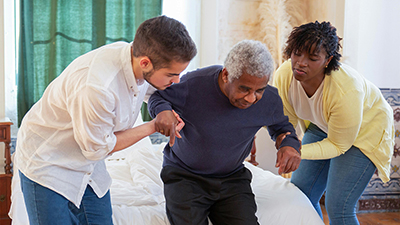
How respite protects the caretaker's health and the whole family's stability
A rested caregiver makes better decisions. That is not a slogan, it's a pattern. After a three-day break, households are more happy to arrange their own colonoscopies and oral work, more patient with recurring questions, and more constant with medication schedules and safety checks. Sleep financial obligation drives mistakes. Respite pays back it.
There is likewise the morale aspect. Caretakers who can make plans beyond the next tablet time retain their identity. One father I worked with stopped singing in his barbershop quartet when his better half's dementia advanced. After 2 months of using adult day on Thursday afternoons, he went back. That a person practice session a week changed the tone of their household.
Children and grandchildren benefit too. When a parent is less overwhelmed, they can be present for school plays and Sunday suppers. Respite is not self-centered. It is a household health intervention.
The financial side: what to anticipate and how to plan
Money shapes choices, and it's much better to map the variety early than to be shocked when a needed break becomes urgent.
In-home respite through an agency often runs $28 to $40 per hour in lots of areas, with greater rates in metropolitan centers. Personal caretakers may charge less, however be truthful about the compromises: no agency oversight, and you end up being the company responsible for taxes and backup coverage. Some nonprofits provide free or sliding-scale volunteer respite for a couple of hours a week, however schedule is struck or miss.
Adult day program fees frequently cluster in the mid double digits to low triple digits each day. Veterans can check out Adult Day Healthcare advantages through the VA. State Medicaid waivers might cover adult day or at home respite for qualified people, though waiting lists exist.
Short-term remains in assisted living or memory care generally use a day-to-day or per-night rate. Some communities price quote a flat cost daily that includes care as much as a particular level, others include care points or tiers. Ask for a written fees-and-services list. Long-lasting care insurance plan often cover respite, especially if the individual already gets approved for advantages due to needing aid with activities of daily living. Medicare does not pay for nonmedical respite in assisted living, but it may spend for inpatient respite as much as 5 days for hospice patients under the hospice benefit.
A useful tactic: develop a little "respite fund" before you need it. Even $100 a month reserved for six months provides you a meaningful cushion to say yes when the ideal three-day opening appears at an excellent community.
When respite is hard: resistance, regret, and timing
If respite were simply sensible, more people would do it. Feelings complicate the picture. Caretakers feel guilt. Care receivers fear abandonment or humiliation. The word "facility" makes people consider organizations of the past, not the light-filled residences many assisted living and memory care neighborhoods are today.
Naming these sensations helps. So does reframing. For couples, I in some cases describe respite as a "trial hotel" with assistance, which is not far from the truth during a well-run short stay. For in-home services, stress that the helper is there for both of you, to keep routines steady and to make space for errands or rest. Individuals accept assistance more easily when they see it as a tool, not a judgment.
Timing matters. Presenting respite before a crisis offers everyone time to change. Start little. Book a caretaker for two hours while you run to the drug store and walk. Do that twice a week for a month. Then step up to an adult day program as soon as a week for afternoons, not full days. For short stays, begin with a single over night if the community permits it. Each effective step builds momentum.
There are edge cases where respite is difficult. In sophisticated dementia with serious stress and anxiety, even a new face in the house can trigger distress. In those moments, choose the least disruptive assistance. Perhaps a caretaker comes under the pretense of helping you, the relative, with household tasks, while gently constructing connection. In time, they can handle more direct assistance. Also, in people with substantial movement or medical intricacy, you might need a higher-acuity setting sooner than feels emotionally ready. Security needs to lead.
Respite as a bridge to assisted living and memory care
Families often wonder whether respite is a stepping stone to a long-term move. It can be, but it's not a trap. I prefer to frame short stays as information event. You find out how your loved one tolerates a communal setting, how they respond to structured activities, and how they sleep in a space with staff nearby. You learn whether the neighborhood's style fits your family. Personnel discover your loved one's rhythms.
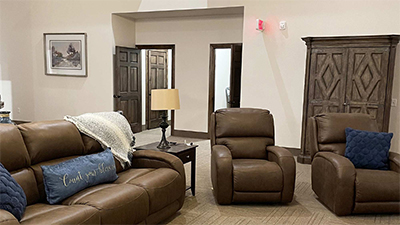
One widow I supported swore she would never ever leave her home. After 2 different respite remains in the very same assisted living community while her child traveled for work, she asked if she could relocate permanently. She didn't want to, she stated, but she slept through the night there without fretting about the basement furnace, and she liked the soup. The choice came from experience, not a brochure.
Conversely, I have actually had individuals try a short stay and decide they choose the quiet of home with in-home respite and adult day. That is a legitimate result. Not every option fits every person. Respite offers you data without a long-term commitment.
Safety information that make a huge difference
The unglamorous side of respite is typically where the wins occur. A few details worth sweating:
- Medication lists: Bring an updated list with dose, schedule, and function. Consist of allergies and negative responses. Hand a copy to every provider involved. Hydration: Dehydration is a top factor for hospitalizations in senior citizens. Ask beforehand how a day program or community motivates fluid intake. In your home, usage preferred cups and flavored water to push sips. Skin care and continence: For people with incontinence, ask how often checks and modifications happen and what products are utilized. At home, keep a consistent regimen and expect redness at pressure points. Wandering risk: For memory care respite, verify door security. At home, think about door chimes or simple stop signs on exits, which frequently slow impulsive efforts to leave. Transfers and falls: Make certain anybody providing care demonstrates safe transfer strategies before you leave. A two-minute refresher prevents injuries that can derail the best plans.
None of this is attractive. All of it keeps the respite period smooth and restores confidence when everybody returns to baseline.
Choosing between alternatives: a quick method to think it through
If you haven't utilized respite yet, it's simple to freeze in indecision. A simple decision frame helps. If the primary requirement is guidance with light personal care and socializing, and the person does best at home, start with at home respite and sample adult the first day to two afternoons each week. If the primary requirement consists of overnight support, medication management numerous times a day, or frequent triggering for continence, take a look at brief stays in assisted living or memory care. If competent nursing needs exist, such as IV prescription antibiotics or complex wound care, talk with the physician about a short skilled nursing stay.
This isn't rigid. You can blend formats. Some families settle into a steady rhythm: adult day three days a week, plus one short assisted living remain every quarter so the caretaker can take a trip or reset. The variety keeps both parties engaged and minimizes pressure on any single support.
How to begin the discussion with a liked one
It's natural to respite care beehivehomes.com stumble over the first words. Speaking about respite is, at its core, discussing limits and trust. 2 methods tend to work:
- Anchor in shared objectives: "I want to keep living here together as long as we can. To do that, we both need rest. Let's attempt a helper on Tuesdays so I can get errands done and after that we can have a calmer supper." Use time-limited experiments: "Let's try this for two weeks and see how we both feel. If it does not assist, we change it."
Avoid the temptation to overpromise. Do not say "You'll love it." Say "We'll evaluate it." And remember that it's okay to acknowledge your own needs without apology. You are not abandoning anybody by sleeping eight hours.
Common mistakes and how to prevent them
Families tend to make the same three missteps. First, they wait too long. By the time they look for respite, the caretaker is currently in crisis or ill, and the individual getting care is more vulnerable. Starting earlier makes whatever easier.
Second, they attempt to develop a schedule around perfection. It will not be perfect. The alternative caretaker might fold towels differently. The adult day program may serve chicken salad on Tuesdays when tuna is chosen. Choose the great that is available over the perfect that does not exist.
Third, they ignore the power of preparation. Taking 2 hours to compose a one-page "about me," pack familiar items, label listening devices, and examine the medication list conserves days of confusion.
What quality appears like in practice
Whether you are evaluating a company, adult day program, assisted living, memory care, or an experienced facility for respite, quality appears in little moments.
In a strong setting, a team member kneels to eye level to talk with someone in a wheelchair. They call people by their preferred name. When 2 participants get testy over a Bingo card, the staff carefully redirects without scolding. In the dining room, the food is warm, plates arrive within a few minutes of each other, and someone notifications when a person only eats the mashed potatoes. In the evening, checks are peaceful and respectful.
Ask about staff tenure. High turnover happens, but if no one has existed longer than six months, consistency will be difficult. Ask how they handle a bad day. The answer should consist of specific techniques, not vague guarantees. If a community extols luxury features however stumbles when you ask about incontinence care, keep looking.
A realistic image of outcomes
Respite care is not a treatment. It will not reverse dementia or stop the progression of persistent illness. Its power depends on preservation, security, and dignity. Over months, the households who use respite frequently are the ones still delighting in little pleasures together: pancakes on Saturday, the same joke told again, the heat of a hand held during a television drama.
When a long-term transfer to assisted living or memory care becomes the best next action, those households normally browse it with less panic. They currently understand the landscape. They have relationships with staff. The shift seems like the next chapter, not a failure.
A couple of closing prompts to move from concept to action
If you read this and believing, "We require this, however I do not understand where to start," go for one little step.
- Identify 2 in-home care firms and one adult day program within 15 miles. Call and ask about assessments, minimums, and availability. If you expect travel in the next 3 months, contact 2 assisted living neighborhoods and one memory care community about respite schedule and everyday rates. Ask what documents they require. Choose one afternoon next week when you will not be the caregiver. Put it on the calendar. Use it to nap, check out, or walk. No chores.
No single action solves whatever. Numerous little steps do. Respite care is among the most practical tools in senior care. It supports long-lasting wellness by offering caregivers back their margin and offering older adults trustworthy, respectful attention. Whether you utilize in-home respite, adult day, or a short stay in a senior living community, you are not pausing progress. You are making room for it.
BeeHive Homes of Granbury provides assisted living care
BeeHive Homes of Granbury provides memory care services
BeeHive Homes of Granbury provides respite care services
BeeHive Homes of Granbury supports assistance with bathing and grooming
BeeHive Homes of Granbury offers private bedrooms with private bathrooms
BeeHive Homes of Granbury provides medication monitoring and documentation
BeeHive Homes of Granbury serves dietitian-approved meals
BeeHive Homes of Granbury provides housekeeping services
BeeHive Homes of Granbury provides laundry services
BeeHive Homes of Granbury offers community dining and social engagement activities
BeeHive Homes of Granbury features life enrichment activities
BeeHive Homes of Granbury supports personal care assistance during meals and daily routines
BeeHive Homes of Granbury promotes frequent physical and mental exercise opportunities
BeeHive Homes of Granbury provides a home-like residential environment
BeeHive Homes of Granbury creates customized care plans as residents’ needs change
BeeHive Homes of Granbury assesses individual resident care needs
BeeHive Homes of Granbury accepts private pay and long-term care insurance
BeeHive Homes of Granbury assists qualified veterans with Aid and Attendance benefits
BeeHive Homes of Granbury encourages meaningful resident-to-staff relationships
BeeHive Homes of Granbury delivers compassionate, attentive senior care focused on dignity and comfort
BeeHive Homes of Granbury has a phone number of (817) 221-8990
BeeHive Homes of Granbury has an address of 1900 Acton Hwy, Granbury, TX 76049
BeeHive Homes of Granbury has a website https://beehivehomes.com/locations/granbury/
BeeHive Homes of Granbury has Google Maps listing https://maps.app.goo.gl/xVVgS7RdaV57HSLu9
BeeHive Homes of Granbury has Facebook page https://www.facebook.com/BeeHiveHomesGranbury
BeeHive Homes of Granbury has an YouTube page https://www.youtube.com/@WelcomeHomeBeeHiveHomes
BeeHive Homes of Granbury won Top Assisted Living Homes 2025
BeeHive Homes of Granbury earned Best Customer Service Award 2024
BeeHive Homes of Granbury placed 1st for Senior Living Communities 2025
People Also Ask about BeeHive Homes of Granbury
What is BeeHive Homes of Granbury Living monthly room rate?
The rate depends on the level of care that is needed. We do an initial evaluation for each potential resident to determine the level of care needed. The monthly rate is based on this evaluation. There are no hidden costs or fees
Can residents stay in BeeHive Homes until the end of their life?
Usually yes. There are exceptions, such as when there are safety issues with the resident, or they need 24 hour skilled nursing services
Do we have a nurse on staff?
No, but each BeeHive Home has a consulting Nurse available 24 – 7. if nursing services are needed, a doctor can order home health to come into the home
What are BeeHive Homes’ visiting hours?
Visiting hours are adjusted to accommodate the families and the resident’s needs… just not too early or too late
Do we have couple’s rooms available?
Yes, each home has rooms designed to accommodate couples. Please ask about the availability of these rooms
Where is BeeHive Homes of Granbury located?
BeeHive Homes of Granbury is conveniently located at 1900 Acton Hwy, Granbury, TX 76049. You can easily find directions on Google Maps or call at (817) 221-8990 Monday through Sunday 9:00am to 5:00pm
How can I contact BeeHive Homes of Granbury?
You can contact BeeHive Homes of Granbury by phone at: (817) 221-8990, visit their website at https://beehivehomes.com/locations/granbury/, or connect on social media via Facebook or YouTube
Visiting the Acton Nature Center of Hood County provides peaceful trails and native landscapes ideal for assisted living and memory care residents enjoying senior care and respite care outings.