Business Name: BeeHive Homes of Granbury
Address: 1900 Acton Hwy, Granbury, TX 76049
Phone: (817) 221-8990
BeeHive Homes of Granbury
BeeHive Homes of Granbury assisted living facility is the perfect transition from an independent living facility or environment. Our elder care in Granbury, TX is designed to be smaller to create a more intimate atmosphere and to provide a family feel while our residents experience exceptional quality care. BeeHive Homes offers 24-hour caregiver support, private bedrooms and baths, medication monitoring, fantastic home-cooked dietitian-approved meals, housekeeping and laundry services. We also encourage participation in social activities, daily physical and mental exercise opportunities. We invite you to come and visit our assisted living home and feel what truly makes us the next best place to home.
1900 Acton Hwy, Granbury, TX 76049
Business Hours
Monday thru Sunday: 9:00am to 5:00pm
Facebook: https://www.facebook.com/BeeHiveHomesGranbury
YouTube: https://www.youtube.com/@WelcomeHomeBeeHiveHomes
Families seldom plan for assisted living on a neat timeline. More frequently there is a slow accumulation of small worries, a few emergencies that shake your self-confidence, then the realization that the present setup is more vulnerable than it looks. Understanding when to move from home-based support to assisted living, memory care, or short-term respite care is part practical evaluation and part heart work. The choice hinges on safety, health, and lifestyle, not just longevity. I have sat with families who waited too long and with others who felt guilty for moving "too early." What changes whatever is clarity. When you can define the difficulties and the dangers, options begin to feel less like betrayal and more like care.
Why timing matters more than the address
The timing of a transition often has more effect than the specific community you select. A relocation initiated after a crisis, such as a fall or hospitalization, narrows choices and includes stress. A planned move, done while the older grownup has energy to take part in tours and choices, preserves autonomy and alleviates the change. Assisted living and the more comprehensive senior living landscape work best when used as proactive tools. The right community can broaden what is possible: a structured day, reputable medication support, meals without the problem of cooking, and peers close enough for spontaneous conversation. For those with dementia, memory care can decrease stress and anxiety, prevent wandering, and supply purposeful activities, however the advantage depends upon getting in before the illness robs the individual of the capability to adjust to new surroundings.
The quiet flags you may be missing at home
Most indicators sneak rather than slam. The mail box shows overdue costs, the refrigerator holds ended yogurt and nothing fresh, or the as soon as tidy garden now bristles with weeds. Plates being in the sink longer. A parent who utilized to use crisp clothing starts repeating the same sweater, stained at the cuffs. These are more than visual issues. They are proxies for executive function, energy reserves, and safety.
One child told me she began counting little burns on her father's lower arms. He insisted he was great, yet the pattern stated otherwise. Another family discovered 3 sets of lost keys in a cereal box. The hints were ordinary, however together they painted a photo of cognitive pressure. If you feel a persistent itch of worry, trust it and start recording what you see. Patterns over weeks tell the fact more dependably than a single excellent or bad day.
Safety first: falls, medication, and wandering
Falls change the trajectory of aging more than almost any other occasion. Roughly one in 4 adults over 65 falls each year, and the threat climbs up with balance problems, neuropathy, poor vision, and specific medications. If your loved one has fallen more than when in 6 months, or you notice new bruises that go inexplicable, you are seeing the idea of an iceberg. Look beyond grab bars and non-slip mats. Ask whether they reach for furniture to consistent themselves, whether stairs feel challenging, and whether they prevent trips to reduce danger. Assisted living communities are developed to lower fall risk with even floor covering, hand rails, lighting that minimizes glare, and personnel who can respond quickly.
Medication errors likewise drive decisions. Blending doses, skipping refills, or doubling up on blood pressure pills can send someone to the emergency department. If you are filling weekly tablet organizers and still finding mistakes, the existing system is risky. Assisted living offers medication management, from pointers to full administration, and they monitor for negative effects that families typically mistake for "simply aging."
Wandering and getting lost are the red lines for many families handling dementia. Even a short disorientation that resolves at home is a major indication. Memory care communities are constructed to permit movement without danger, with safe courtyards and looped corridors that appreciate the requirement to walk. They likewise utilize subtle cues, color contrast, and consistent routines to decrease agitation. The earlier somebody joins, the more they gain from familiarity and rhythm.
Health intricacy that grows out of the cooking area table
Some medical scenarios are merely bigger than one caregiver can handle safely at home. Insulin-dependent diabetes with ever-changing numbers, heart failure requiring everyday weight tracking, oxygen usage with tubing dangers, or duplicated urinary system infections that deteriorate cognition are examples. If your week now includes numerous professional check outs, urgent calls to the medical care office, and confused nights sorting out symptoms, it is time to evaluate whether an assisted living or higher-acuity setting can share the load. Good communities have nurses on site or on call, care strategies reviewed routinely, and coordination with outside service providers. They can not change a healthcare facility, however they can stabilize a daily regimen that keeps individuals out of the hospital.
Post-hospitalization is a crucial window. After a stroke, hip fracture, or pneumonia, practical decrease frequently continues longer than the discharge summary forecasts. A short stay in respite care can bridge the gap, giving your loved one a safe place for a couple of weeks with treatment gain access to and complete assistance, while you examine longer-term needs. I have actually seen respite remains prevent caretaker burnout during this specific window and, just as important, offer the older adult a low-pressure way to test a community.
The ADLs and IADLs lens, translated
Professionals often utilize two checklists: Activities of Daily Living and Critical Activities of Daily Living. They sound clinical, but they are useful.
ADLs are the basics: bathing, dressing, consuming, toileting, transferring from bed to chair, and continence. If any of these require constant hands-on assistance, assisted living can provide day-to-day support with dignity. Having a hard time to leave a chair safely or preventing showers due to fear of slipping are not peculiarities, they are considerable risks.
IADLs are the complex tasks that keep life running: cooking, shopping, managing medications, housekeeping, handling cash, using transportation, and communication. Early cognitive decrease shows up here. If late costs, scorched pans, or missed medications are now a pattern rather than a one-off, the scaffolding at home is failing. Assisted living covers these jobs by design, releasing energy for the activities your loved one still enjoys.
Emotional health and the architecture of the day
Loneliness does not announce itself loudly. It appears as sleeping late, turning down invites, or leaving the TV on for hours. The loss of a partner, driving opportunities, or area friends changes the psychological map. I visit a lot of homes where the silence feels heavy at midday. Human beings require simple distance to others to stimulate casual interaction. Among the least talked about advantages of senior living is convenience of business. Coffee is down the hall, not throughout town. A chair yoga class begins in 10 minutes, the cornhole set remains in the courtyard, the library cart stops at the door. Individuals who insist they are "not joiners" typically discover a couple of things they like when the barriers are low.
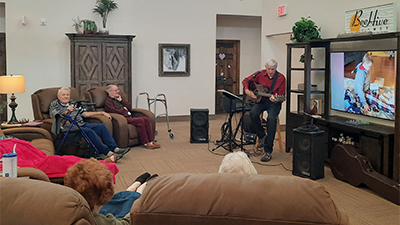
Depression and anxiety can look like memory problems. If your loved one seems more withdrawn, irritable, or suspicious, go back and ask whether the current environment feeds or eases those sensations. Assisted living can not treat sorrow, but it replaces isolation with opportunities. Memory care, in particular, utilizes foreseeable routines and sensory activities to reduce anxiety that home environments unintentionally provoke.
Caregiver pressure is data
If you are the primary caretaker, you belong to the scientific image. How many nights are you waking to assist to the restroom? Are you leaving work early or skipping your own medical appointments? Are you snapping at your loved one, then weeping in the automobile? These are not character defects. They are warnings. Caregivers put themselves in the healthcare facility with back injuries, hypertension, and fatigue regularly than they admit.
A short, sincere experiment assists: track your time and stress for two weeks. Write down hours invested in direct care, calls, driving, and managing crises. Track sleep and your own health jobs that got bumped. If the numbers reveal a second full-time task, you require more help. That might start with at home caregivers or adult day programs, however if the schedule still collapses during nights and weekends, assisted living or memory care uses a sustainable option. Respite care can offer you breathing space while you make the decision.
Timing through the lens of dementia
Dementia alters the calculus. The limit for a relocation is lower, not since individuals with dementia are less capable, but due to the fact that the environment carries more weight. If roaming, sundowning agitation, or fear is rising, the design and staffing of memory care can stabilize the day. Families often wait for a dramatic occurrence. In my experience, a better signal is the ratio of calm hours to distressed hours. When more days end in exhaustion, repeated peace of mind, and security compromises, earlier shift results in much easier adjustment.

A typical worry is that moving will speed up decline. That can occur with abrupt, badly supported shifts. The reverse is likewise true. I have actually enjoyed individuals regain weight, smile more, and reconnect with music or painting once they had actually structured, dementia-informed care. Timing matters due to the fact that the person still needs sufficient cognitive reserve to adapt to brand-new regimens. Waiting up until the disease is extreme makes modification harder, not easier.
Money, transparency, and the genuine significance of "level of care"
Cost can not be an afterthought. Assisted living generally charges a base rent plus fees for levels of care, which are tied to the number and kind of day-to-day assists required. Memory care generally consists of higher staffing ratios and safety features, so it costs more. Request the assessment tool they utilize and how they price each help. One neighborhood might count cueing for bathing as a chargeable task, another may not. Clarify how they manage boosts as requirements alter, what happens if your loved one lacks funds, and whether they accept Medicaid after a private pay duration. Integrate in a cushion for care boosts. Many families budget plan for the first year and then feel blindsided later.
Tour with your eyes and ears open. See how staff address citizens, whether names are utilized, whether the activity calendar matches what you actually see in typical locations, and if the dining room feels lively or hurried. Visit two times, as soon as unannounced in the late afternoon when staff can be stretched. Attempt a meal. If possible, use respite care to test the suitable for a week.
Rightsizing the option: can home stretch further?
Assisted living is not the only course. Sometimes a mix of home modifications, part-time caretakers, meal shipment, and medication management purchases another year in your home. A walk-in shower with a strong bench, raised toilet seats, much better lighting, and removal of toss carpets cost a fraction of a move. Adult day programs provide structure and social time, then the person returns home in the night. Technology assists too, though it has limits. Sensing unit mats can alert you to night roaming, automated pill dispensers can lock compartments, and video doorbells can offer peace of mind. None of these replace human presence, however they can minimize risk.
Be candid about the home's restraints. Stairs, small bathrooms, and fars away to bed rooms drain pipes energy and add danger. If caregiving needs consistent lifting, even the very best equipment will not change physics. When the work starts to require two people at the same time or skill beyond what training can teach, the home model is stretched to breaking.
How to speak about moving without breaking trust
You are not selling a product, you are protecting a life worth living. Start with worths. What matters most to your loved one? Security, self-reliance, privacy, significant activity, access to the outdoors, proximity to buddies, spiritual life? Map those worths to choices. Instead of "You can't live here any longer," attempt "We need more assistance to keep you safe and keep these parts of your life intact." Bring them to tours, let them choose a room, pick paint colors, and set up favorite furnishings and pictures. Prevent ambush moves unless a crisis leaves no choice. People accept change much better when they feel a hand on the guiding wheel.
Avoid arguing truths when worry is speaking. If a parent states, "You are sending me away," show the sensation: "I hear that this seems like being pushed out. My objective is to be better and less worried so we can invest our time together doing the fun stuff." Keep sees steady after the relocation. Familiar faces throughout the first weeks anchor the brand-new routine.

What "great" looks like after the move
An effective transition is rarely best on day one. Expect a few rough nights and some second-guessing. Expect the trendline. In an excellent fit, you see steadier weight, more consistent grooming, fewer urgent calls, and a more predictable state of mind. The care strategy should be reviewed within one month, with your input. You need to understand the names of crucial personnel and feel comfy raising concerns. Activities need to feel optional but available. Meals must be more than fuel. If your loved one chooses quiet, staff must still find methods to engage, perhaps through one-on-one time, reading groups, or a garden task.
For those in memory care, search for purposeful movement rather than restraint. Are citizens walking, sorting, singing, folding, painting, cooking with supervision? Are the halls relax, with signs that helps individuals browse? Does the environment minimize triggers rather than penalize habits? When a resident is distressed, do personnel reroute with persistence or resort to scolding? Little things expose culture.
A compact list for your choice window
- Falls, medication mistakes, or roaming occurrences are repeating, not rare. One or more ADLs now require hands-on help most days. Caregiver stress appears as missed sleep, health issues, or risky lifting. Loneliness or stress and anxiety is deepening regardless of reasonable home supports. The home itself creates dangers that modifications can not realistically solve.
If several apply, it is time to assess assisted living or memory care, even if part of you hopes to wait. Usage respite care if you need a trial or a breather.
Common myths that stall good decisions
- "Moving will make them decline." A chaotic relocation can, however a prepared transition to the best level of senior care often stabilizes health and mood. Structure, nutrition, and medication consistency enhance baseline function for many. "Assisted living is the very same as a nursing home." Assisted living concentrates on day-to-day assistance and quality of life. Competent nursing is for complicated medical requirements and rehab. Memory care is specialized for dementia. They are not interchangeable. "We failed if we can't do it at home." Caregiving has limits. Accepting assistance can save relationships and health. Love is not measured in back strain. "We can't afford it." Costs are real, however so are the concealed costs of hazardous home care: hospitalizations, lost wages, and burnout. Meet a financial coordinator, ask neighborhoods about pricing openness, and check out advantages like long-term care insurance coverage or veterans' programs if applicable. "They refuse, so that's completion of the conversation." Rejection is frequently fear. Slow the rate, validate the emotion, usage short-term trials, and include relied on clinicians or clergy. Company limits about security are not betrayal.
The role of professionals, and when to bring them in
Geriatric care managers, likewise called aging life care experts, can save time and heartache. They assess, coordinate services, advise appropriate senior living choices, and accompany you on trips. A geriatrician can separate treatable depression or medication adverse effects from cognitive decline. Occupational therapists examine the home for safety and recommend adjustments. Social employees help with family dynamics and community resources. Bring in assistance when you feel stuck, or when relative disagree about threat. An outdoors voice can reduce the temperature.
Planning the relocation with dignity
Choose a move date that permits a peaceful ramp, not a frenzied scramble. Pack and set up the brand-new area before your loved one gets here if that will reduce stress, or involve them if they take pleasure in choice and control. Bring the familiar: a favorite chair, the quilt from completion of the bed, framed images at eye level, the clock they always check, the old radio that still works. Label clothing discreetly. Transfer prescriptions ahead of time and make a clean medication list for the neighborhood. Present your loved one to crucial personnel by name, together with a short "About Me" sheet that includes preferred name, hobbies, food likes, regimens, and relaxing techniques. These information matter more than you think.
On the first day, remain enough time to anchor the area, then leave in the past fatigue hits. Return the next day. Keep early visits brief and steady. If your loved one pleads to go home, prevent pledges you can't keep. Reassure, take part in a familiar activity, and employ personnel who understand how to redirect kindly.
Measuring success by quality, not guilt
The goal is not to replicate the past but to craft a present where safety and dignity are dependable, and joy still has space to appear. Assisted living, memory care, and respite care are tools within the bigger world of elderly care. elderly care Used well, they extend capacity instead of lessen it. The right time often exposes itself when you stop asking, "Can we keep doing this?" and begin asking, "What choice gives us more great days?" When the answer points to a community that can carry the tough parts so you can go back to being a spouse, daughter, son, or pal, you are not giving up. You are changing positions on the very same team.
If you are on the fence, visit two neighborhoods this month. Start a two-week log of safety occasions, stress, and day-to-day helps. Arrange a checkup with a clinician attuned to senior care for a frank baseline evaluation. Small steps lower the stakes and raise your self-confidence. Choices made from information and care, instead of crisis and worry, tend to be the ones families review with relief.
BeeHive Homes of Granbury provides assisted living care
BeeHive Homes of Granbury provides memory care services
BeeHive Homes of Granbury provides respite care services
BeeHive Homes of Granbury supports assistance with bathing and grooming
BeeHive Homes of Granbury offers private bedrooms with private bathrooms
BeeHive Homes of Granbury provides medication monitoring and documentation
BeeHive Homes of Granbury serves dietitian-approved meals
BeeHive Homes of Granbury provides housekeeping services
BeeHive Homes of Granbury provides laundry services
BeeHive Homes of Granbury offers community dining and social engagement activities
BeeHive Homes of Granbury features life enrichment activities
BeeHive Homes of Granbury supports personal care assistance during meals and daily routines
BeeHive Homes of Granbury promotes frequent physical and mental exercise opportunities
BeeHive Homes of Granbury provides a home-like residential environment
BeeHive Homes of Granbury creates customized care plans as residents’ needs change
BeeHive Homes of Granbury assesses individual resident care needs
BeeHive Homes of Granbury accepts private pay and long-term care insurance
BeeHive Homes of Granbury assists qualified veterans with Aid and Attendance benefits
BeeHive Homes of Granbury encourages meaningful resident-to-staff relationships
BeeHive Homes of Granbury delivers compassionate, attentive senior care focused on dignity and comfort
BeeHive Homes of Granbury has a phone number of (817) 221-8990
BeeHive Homes of Granbury has an address of 1900 Acton Hwy, Granbury, TX 76049
BeeHive Homes of Granbury has a website https://beehivehomes.com/locations/granbury/
BeeHive Homes of Granbury has Google Maps listing https://maps.app.goo.gl/xVVgS7RdaV57HSLu9
BeeHive Homes of Granbury has Facebook page https://www.facebook.com/BeeHiveHomesGranbury
BeeHive Homes of Granbury has an YouTube page https://www.youtube.com/@WelcomeHomeBeeHiveHomes
BeeHive Homes of Granbury won Top Assisted Living Homes 2025
BeeHive Homes of Granbury earned Best Customer Service Award 2024
BeeHive Homes of Granbury placed 1st for Senior Living Communities 2025
People Also Ask about BeeHive Homes of Granbury
What is BeeHive Homes of Granbury Living monthly room rate?
The rate depends on the level of care that is needed. We do an initial evaluation for each potential resident to determine the level of care needed. The monthly rate is based on this evaluation. There are no hidden costs or fees
Can residents stay in BeeHive Homes until the end of their life?
Usually yes. There are exceptions, such as when there are safety issues with the resident, or they need 24 hour skilled nursing services
Do we have a nurse on staff?
No, but each BeeHive Home has a consulting Nurse available 24 – 7. if nursing services are needed, a doctor can order home health to come into the home
What are BeeHive Homes’ visiting hours?
Visiting hours are adjusted to accommodate the families and the resident’s needs… just not too early or too late
Do we have couple’s rooms available?
Yes, each home has rooms designed to accommodate couples. Please ask about the availability of these rooms
Where is BeeHive Homes of Granbury located?
BeeHive Homes of Granbury is conveniently located at 1900 Acton Hwy, Granbury, TX 76049. You can easily find directions on Google Maps or call at (817) 221-8990 Monday through Sunday 9:00am to 5:00pm
How can I contact BeeHive Homes of Granbury?
You can contact BeeHive Homes of Granbury by phone at: (817) 221-8990, visit their website at https://beehivehomes.com/locations/granbury/, or connect on social media via Facebook or YouTube
Visiting the Acton Nature Center of Hood County provides peaceful trails and native landscapes ideal for assisted living and memory care residents enjoying senior care and respite care outings.